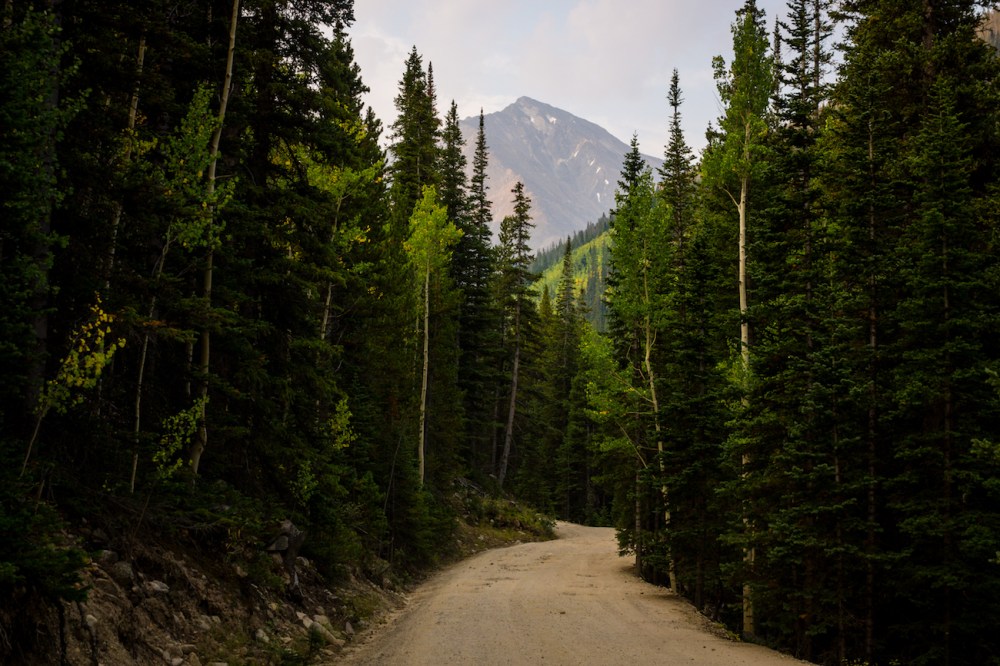
My car whined and groaned in pain as we drove up the county road toward the trailhead of the standard route up Grays and Torreys Peak. “It’s OK, lil’ Subaru,” I reassured the struggling automobile, “you’ve done this before.”
Grays and Torreys, by way of their novice and popular standard route, were my fourth and fifth 14ers, back when I had started climbing them in 2014.

I had returned to this area of the Front Range to try my hand at climbing the intimidating Kelso Ridge, a far more onerous route up Torreys Peak complete with plenty of route-finding and unnerving exposure.
My friend Anica, who is no stranger to the Overcast Adventurers, had joined for the climb, but not for the Kelso Ridge. Despite her general charisma and badass nature, she thought it best to have more experience doing high-exposure climbs before attempting the Kelso Ridge. As we rolled into the nearly full parking lot, the overhead sun glowed a vulpine orange. This was due to the smoke from the myriad wildfires in several states around Colorado. Poor air quality was likely indicative of hazy and less-than-ideal views from the summit, but I was still curious to see how the smoke altered the vistas from up high.
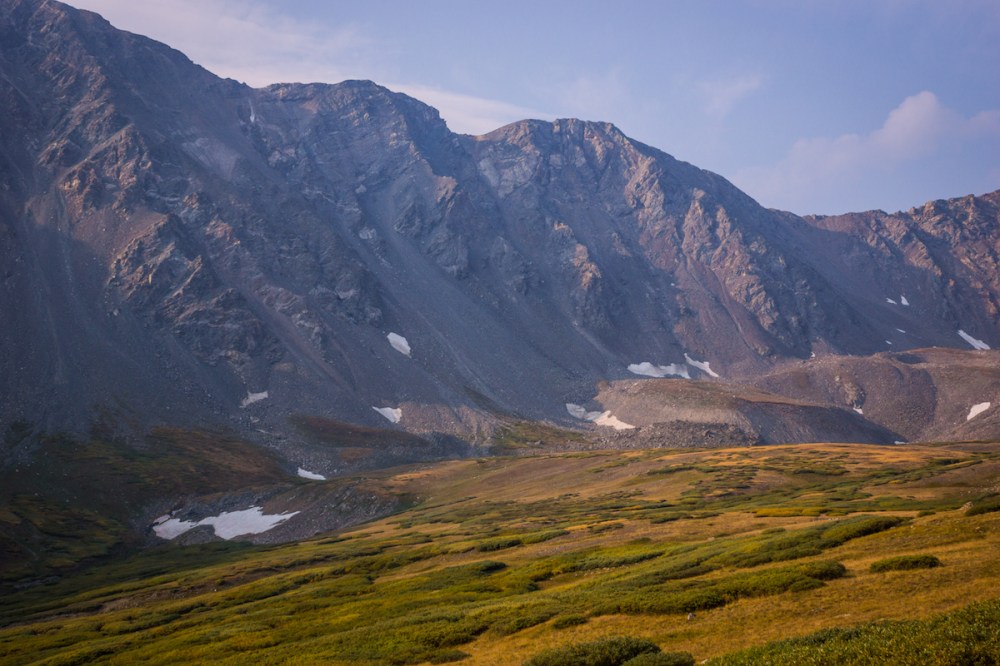
On the trail, Anica and I enjoyed conversation and a catch-up session, as we hadn’t seen each other since our suffering in the Sawatch. Grays and Torreys loomed over us to the west, the gentle behemoths that see some of Colorado’s greatest 14er traffic.
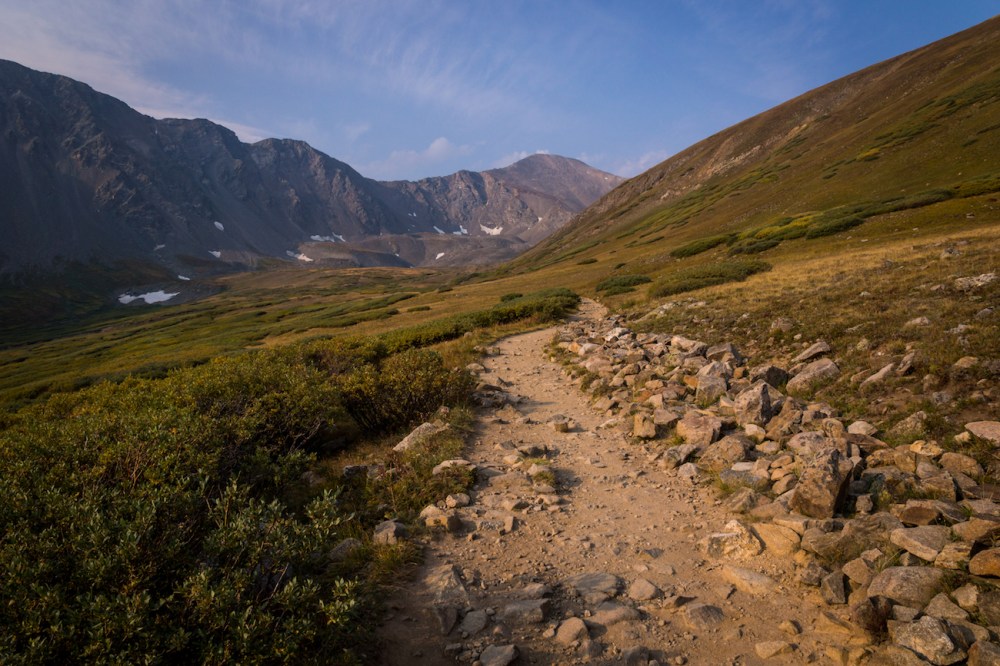
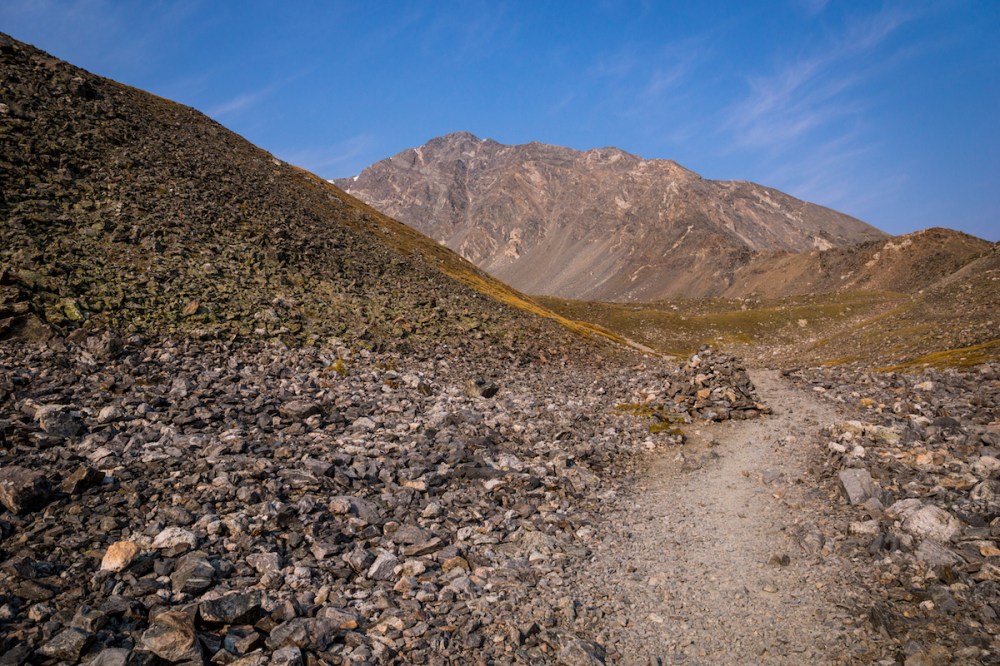
As we worked our way forward, views of the Kelso Ridge made me question my endeavors, especially as this would be my first solo class-three climb.

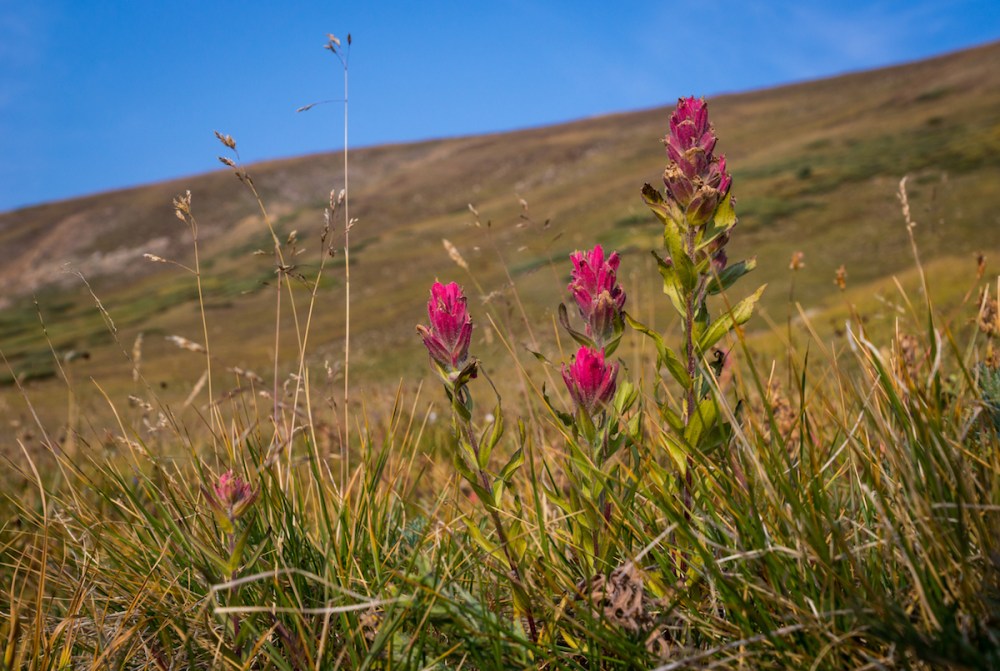
Though it was late in the season, some wildflowers still remained—chromatic as ever—in the alpine grasses.
The trail meandered forward until a small fork made itself apparent, where another trail cut north to the saddle between Kelso Mountain and Torreys Peak. It was time to bid adieu to Anica; we wished each other good luck.

Gaining the saddle was no trouble, and I was surprised that I could spot no other climbers on the ridge. A small and decrepit mine shack and gated mine sat atop the saddle.

Following the ridge crest, I made note of how loose some sections of gravel felt. I bypassed some rock outcroppings and made my way to the first class-three wall. Scrambling up, I got my first taste of exposure of the climb–it tasted sweet.

I looked back, anticipating other climbers, but none followed. I regained the ridge crest with my next challenge in sight: a thirty-foot wall of white rock, aptly called the white wall.

Reaching its base, I found more tracts of gravel to contend with. I scrambled to climber’s left to avoid the gravel, and worked my way up the exposed and solid rock.

Reaching the top of the wall, I paused and looked back. To the northeast, Kelso Mountain looked picturesque and grand.
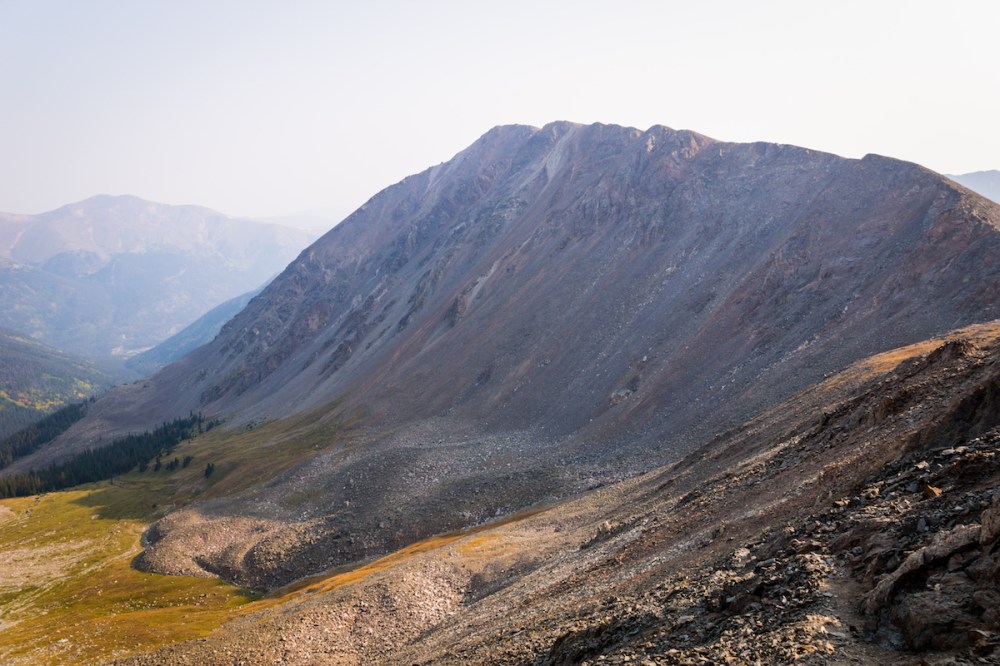
Then, I noticed another climber nearing the white wall. I felt some relief. While I enjoy solitude on any excursion in the mountains, I had fear in the recesses of my mind because of Ty’s experience on the Kelso Ridge, where he and his climbing partners had gotten off-route somewhere above the white wall and wound up stuck on some cliffs. I paused for a hydration break, watching the other climber onerously approach me. As he reached my resting spot, we talked briefly about the route, and he continued upward. I remained in my standstill, taking pictures of my surroundings and allowing him to put some distance between us before sallying forth.


A faint trail lead me to what I found to be the most confusing section of the climb, where I could easily see how Ty and his friends got off-route. Difficult terrain guarded the ridge crest that lead to the next small–but difficult–portion of the climb.

Anyone not familiar with the route could easily follow sections of dirt and gravel that looked like social trails into loose and dangerous ravines and couloirs below. I was glad to have the route description with me as I located the turn from the south side of the ridge to the ridge crest. No cairns marked the way forward, but I knew I had cut north at the correct time, as the last difficulty of the route reared its jagged head.

A craggy outcropping of white rock perched just a few hundred feet below the summit. It wasn’t the white rock that looked intimidating, but the approach to it: a knife-edge of granite, with sheer drops on either side. I slowly approached the exposed crux and straddled the rock. I scooted along the rough slabs, enjoying the spicier exposure.
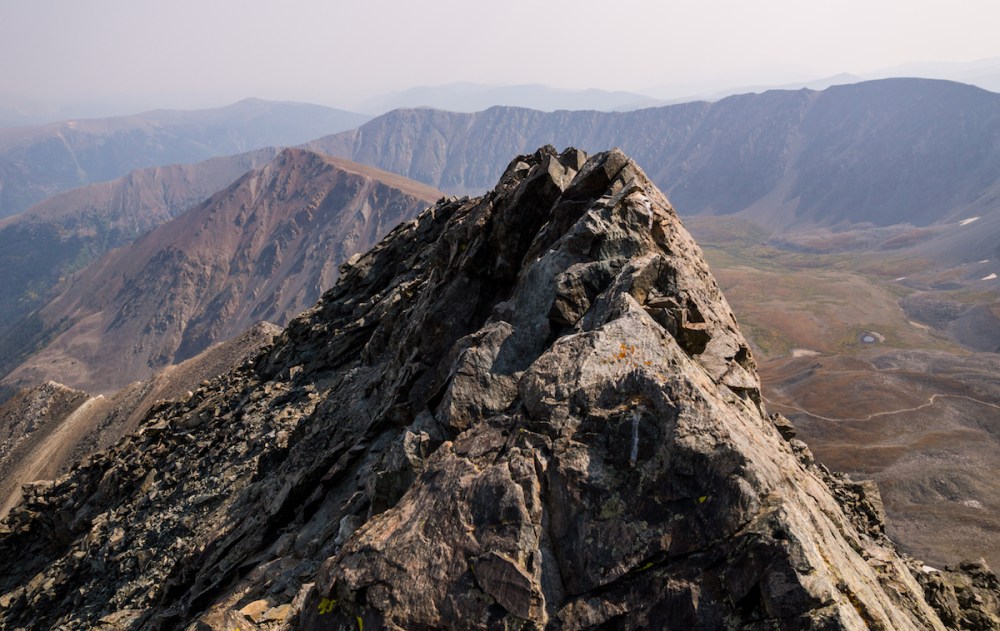
The crossing was brief, and I was soon on the last hundred feet of ascent. As I neared topping out, I spotted Anica. We had somehow reached the summit at the same time–she had summited Grays first–and congratulated each other. At least a dozen people crowded the summit, making me content with the lack of crowds along the more technical ridge. The views were indeed hazy, but expansive and gorgeous nonetheless.

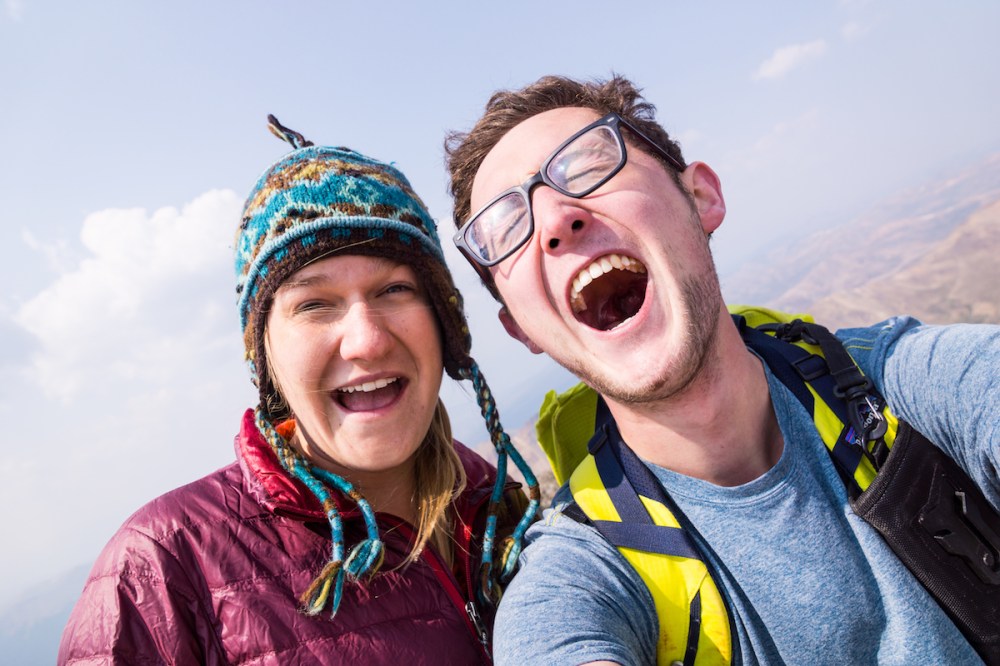
We goofed around for a bit, taking pictures and subtly mocking tourists, but soon found ourselves descending to the saddle between Grays and Torreys. It was here we stumbled across a mountain goat mama and her kid.

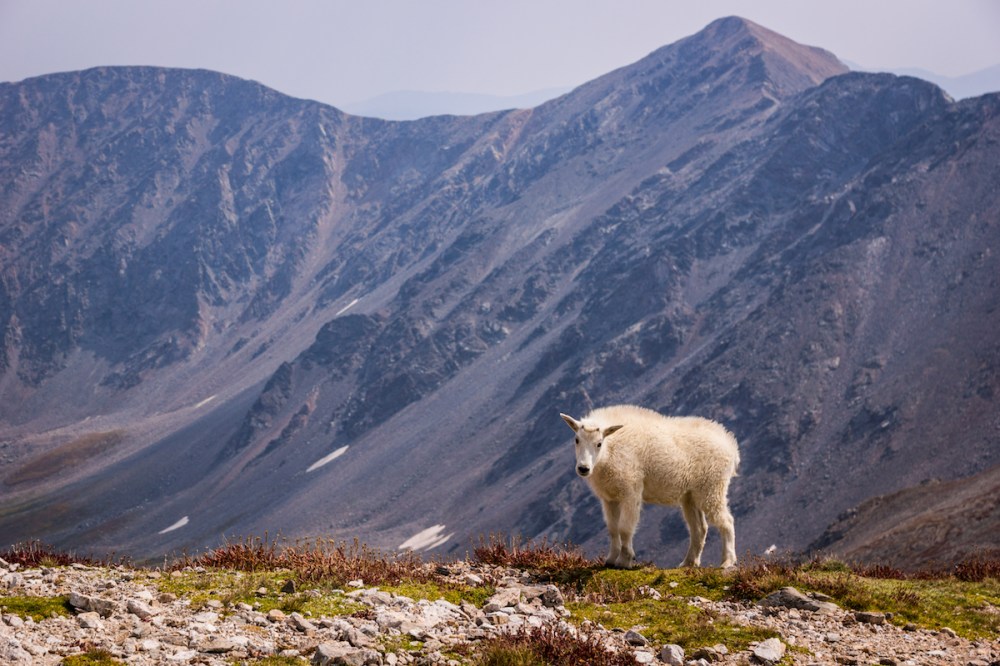
The mother wasn’t happy with our proximity to her offspring, so we slowly stepped away, receding to the trail that would lead us back to my car.
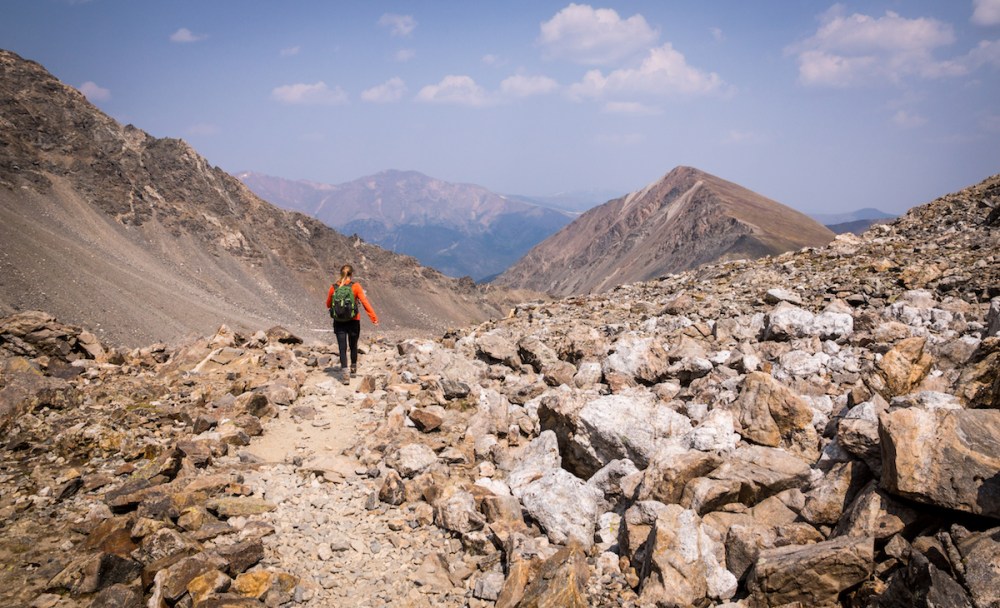
Usually, we might find ourselves racing against afternoon storms or diminishing daylight, but this time we rushed to make happy hour in Denver. It had been a short excursion for both of us, but challenging and pleasant. The Kelso Ridge towered over us on our descent, adding to the day’s accomplishment.

At the car, we waved the Front Range goodbye, tentatively planning what our next adventure could be. But, until then, my friends, stay adventurous!

 The Overcast Adventurers